
A Beginner’s Guide To Selling Digital Products Online
Selling digital products online has emerged as a powerful way to generate income.
With the right approach, it can be a game-changer for entrepreneurs and businesses alike.
But how do you navigate this landscape to reap maximum benefits?
To embark on selling digital products, you need to understand the type of product that suits your expertise and audience.
Identifying your niche and creating a product that solves specific problems or enhances knowledge is the cornerstone of your online business.
With digital goods, the focus is primarily on the value of the content rather than the physical packaging or delivery method.
Your success in selling digital products online depends on selecting the right platform, understanding the needs of your target audience, and ensuring secure and user-friendly transactions.
As you progress, you'll learn the importance of marketing your products effectively and providing compelling value that keeps customers returning.
What Are Digital Products?
Digital products are items you can sell and distribute online without the need for physical inventory.
Unlike physical goods, these products are purely digital and can be delivered electronically to your customers.
Some examples of digital products are ebooks, online courses, and downloadable templates.
You don't need to worry about manufacturing, storage, or logistics when dealing with digital products, which lowers the entry barrier for creators and sellers.
Whether you're a writer, programmer, educator, or artist, you have the opportunity to monetize your digital creations.
Advantages Of Selling Digital Products
Selling digital products offers distinct benefits such as lower overhead costs and the ability to serve customers worldwide effortlessly.
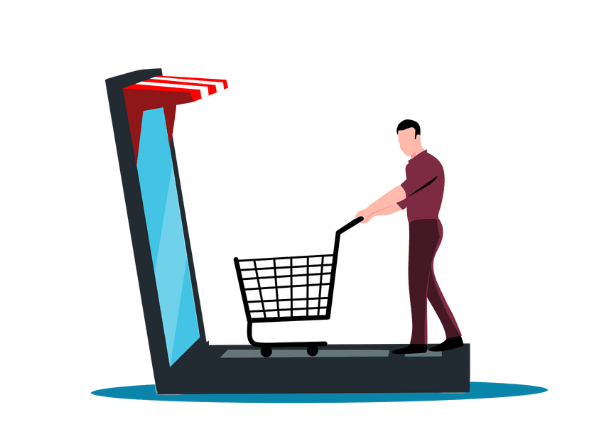
Your digital products, once created, can be sold multiple times without incurring additional production costs. This results in increased profit margins, as you do not have to worry about inventory, manufacturing, or shipping expenses.
Digital products are not bound by geographical limitations, allowing you to access a global market. You can sell your products to anyone with internet access, expanding your customer base substantially.
Unlike physical goods, digital products can be easily updated. If there's a need to modify your product, you can do so efficiently and push updates to your customers instantly, ensuring they always have the latest version.
Setting Up Your Online Store
To successfully sell digital products online, you must establish a robust and user-friendly online store.
Identify Your Niche and Target Audience: Before you start your online store, it's crucial to identify your niche and define your target audience.
This step will guide your decisions on product selection, branding, and marketing.
Choose Your Product Line: Your product line should resonate with your target audience and align with your niche.
Whether it's digital products, physical goods, or services, ensure that there's demand for what you're offering.
Choosing an E-commerce Platform: There are several e-commerce platforms available, each with its strengths and weaknesses.
Compare fees, payment processing options, and integration capabilities to ensure the platform aligns with your business model.
Customize Your Online Store Layout: Your store layout should be visually appealing and user-friendly. Use your platform's customization tools to modify color schemes, fonts, and layouts.
Incorporate high-quality images and clear navigation to enhance the user experience.
Remember to optimize for mobile devices to accommodate users shopping on smartphones and tablets.
Product Listings and Descriptions: Product listings should be clear and concise, with each digital product featuring a descriptive title, a detailed description, and high-quality previews.
Use bullet points to list key features and benefits, and ensure that file format, size, and delivery method are specified.
Accurate and thorough descriptions can reduce customer inquiries and returns.
Search Engine Optimization Strategies: Implement SEO strategies to improve your store's visibility in search results. Research relevant keywords and include them in your product titles, descriptions, and metadata.
Utilize alt tags for images and optimize your site's loading speed.
Regularly update your content to stay relevant and encourage search engines to index your pages more frequently.
Payment Processing
When you sell digital products online, ensuring secure and efficient payment processing is essential. Adequate setup of payment gateways and management of currencies and taxes are fundamental for a seamless transaction experience.
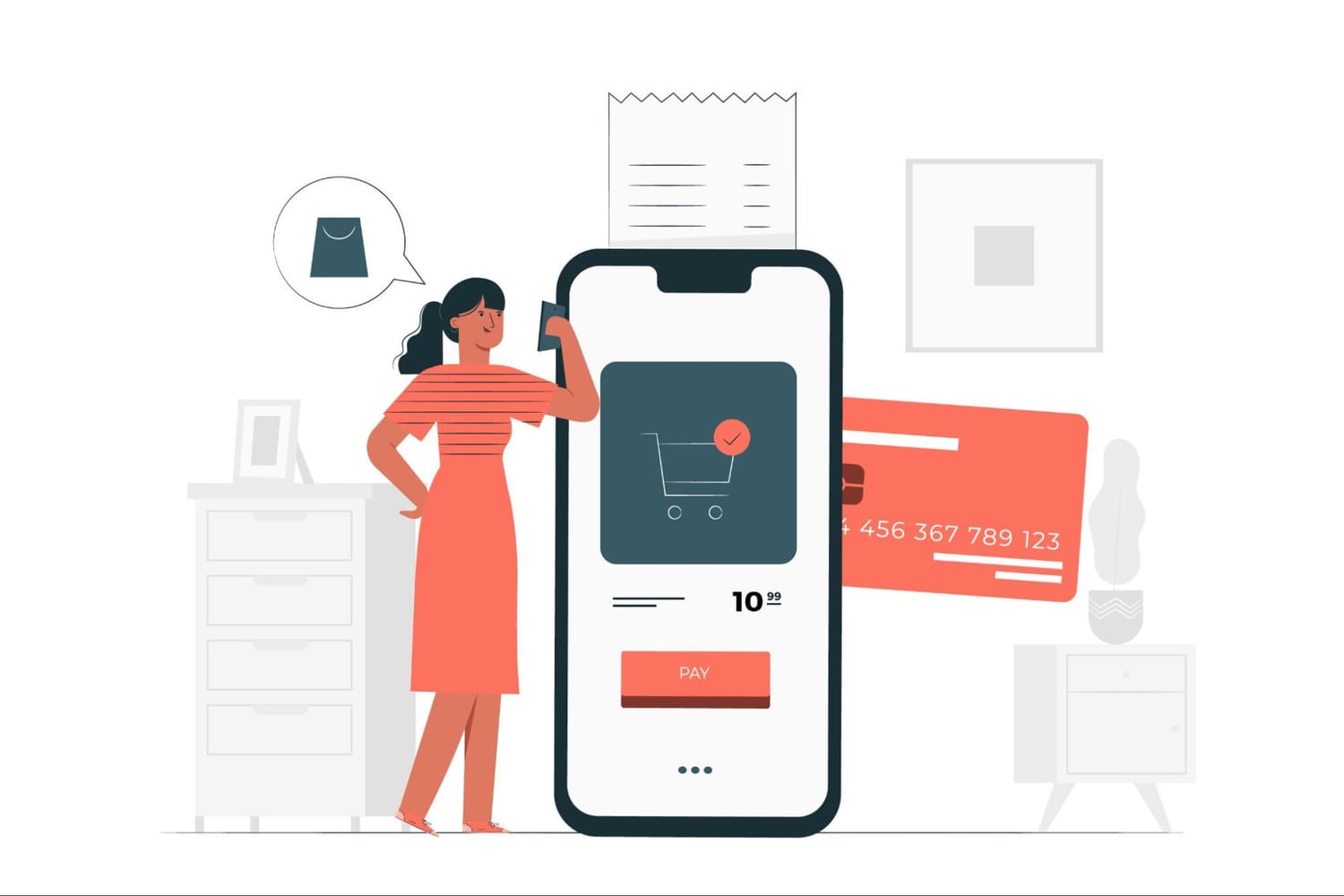
Choose a Reliable Payment Gateway: Select a gateway that is well-known and supports the needs of your business and your customers.
Companies like PayPal, Stripe, and Square are popular options due to their ease of integration and wide acceptance.
Security: Opt for gateways offering SSL encryption and compliance with PCI standards to protect sensitive information.
Integration: Verify compatibility with your e-commerce platform to enable smooth payment transactions.
Payment Methods: Offer multiple payment options, including credit/debit cards and mobile payments, to cater to customer preferences.
Marketing Digital Products
To effectively sell your digital products, focused marketing strategies are critical. Implementing the right mix of content, email, social media, and affiliate marketing ensures optimal reach and customer engagement.
Create valuable content that addresses your target audience's needs and showcases your digital products. Start a blog to provide insights, tips, and user stories while subtly integrating product information. Utilize SEO best practices to increase your content's visibility on search engines.
Blog Posts: Offer solutions and detailed guides related to your product.
SEO: Use relevant keywords, meta descriptions, and engaging titles.
Develop a subscriber list and send regular newsletters that inform and entice your audience. Segment your list to tailor content for different audience groups, increasing the relevance and impact of your messages.
Personalization: Address subscribers by name and provide recommendations based on past purchases.
Promotions: Highlight new releases, updates, or exclusive discounts to keep subscribers engaged.
Choose the right platforms where your audience is most active. Craft engaging posts and use targeted ads to enhance product visibility. Utilize analytics tools to monitor performance and adjust your strategy accordingly.
Platforms: Focus on 2-3 platforms for consistency and quality.
Engagement: Encourage user interaction through comments, shares, and likes.
Sales and Customer Experience
To effectively sell digital products online, ensuring a smooth sales process and a positive customer experience is crucial.
From the first click to final support, the following factors play a significant role in customer retention and revenue generation.
Your checkout process should be fast and seamless. Minimize the number of steps required to complete a purchase. Consider these best practices:
Use a single-page checkout design to reduce loading times.
Offer guest checkout options to bypass account creation.
Display security badges to reassure customers that their payment is secure.
Effective customer support can make the difference between a one-time sale and a loyal customer. Ensure you have:
A comprehensive FAQ section that addresses common concerns.
Multiple support channels, such as live chat, email, or a ticketing system, to be as accessible as possible.
Have clear policies in place for handling refunds and chargebacks to maintain trust and transparency with your customers. Ensure you:
Specify your refund policy clearly on your sales page and during the checkout process.
Respond to chargebacks quickly and professionally, understanding that they are often part of doing business online.
Customer Feedback and Improvement
Gathering Feedback: Use surveys, reviews, and direct customer communication to gauge satisfaction. Pay special attention to any recurring comments or suggestions.
Actionable Responses:
Improve Products: Update existing products based on feedback.
Support Services: Enhance customer support for better satisfaction.
Customization: Offer personalized options where demand is high.
Expansion Strategies
Diversifying Offerings: Consider creating new types of digital products that complement your current lineup.
This might include supplementary guides, courses, or software tools that add value for your customers.
Market Research: Before expanding, conduct thorough research into potential new markets or customer segments.
Look at both direct and indirect competitors to assess market saturation and demand.
Strategic Partnerships: Collaborate with other businesses that share your target audience. Partnerships can help you tap into new customer bases and share marketing resources.
Potential Partnerships:
Content creators
Educational platforms
Complementary service providers
Remember that successful scaling means balancing growth with maintaining the quality of your products and customer experience.
Conclusion
Selling digital products offers a high-margin opportunity due to minimal overhead costs.
You have the advantage of scalability; unlike physical goods, you can sell digital items repeatedly without inventory replenishment.
Stay updated with trends and technology to keep your offerings relevant. Regularly seek customer feedback for continuous improvement.
Remember, success in selling digital products online is a journey of constant learning and adaptation.
Embrace these practices to enhance your online business presence and drive sales.
Click the link below to learn more about selling digital products and start growing your business.
SHARE


Subscribe now
Sign up for our newsletter to get the most interesting stories of the day straight to your inbox before everyone else
Privacy policy • Terms of service • | © 2025, ACT Marketing, LLC