
Secrets To A Successful Sales Funnel For Online Courses
Are you struggling to sell your online course? Do you feel like you're putting in all the effort, but not seeing the results you want? If so, you're not alone.
Many online course creators struggle with sales and marketing, and it's not always easy to know where to start.
One key strategy that can help you improve your sales is to create a sales funnel for your online course.
A sales funnel is a series of steps that guide potential customers towards making a purchase.
By creating a well-designed sales funnel, you can increase your chances of converting visitors into paying customers.
In this article, you'll explore the basics of sales funnels for online courses, and provide you with some tips and strategies to help you create an effective funnel for your own course.
To create a successful sales funnel, you'll need to understand the different stages of the funnel, and how to optimize each one.
This might include creating compelling lead magnets to attract potential customers, building a landing page that converts visitors into leads, and developing an email marketing strategy to nurture those leads and guide them towards a purchase.
By focusing on each stage of the funnel and optimizing your approach, you can create a powerful sales system that drives results for your online course.
Understanding the Sales Funnel
If you are planning to sell an online course, understanding the sales funnel is crucial to your success.
A sales funnel is a visual representation of the journey that your potential customer takes from the moment they become aware of your course to the moment they make a purchase.
It is important to note that not every person who enters your sales funnel will end up purchasing your course.
However, the sales funnel can help you identify where customers are dropping off and make necessary adjustments to improve your conversion rate.
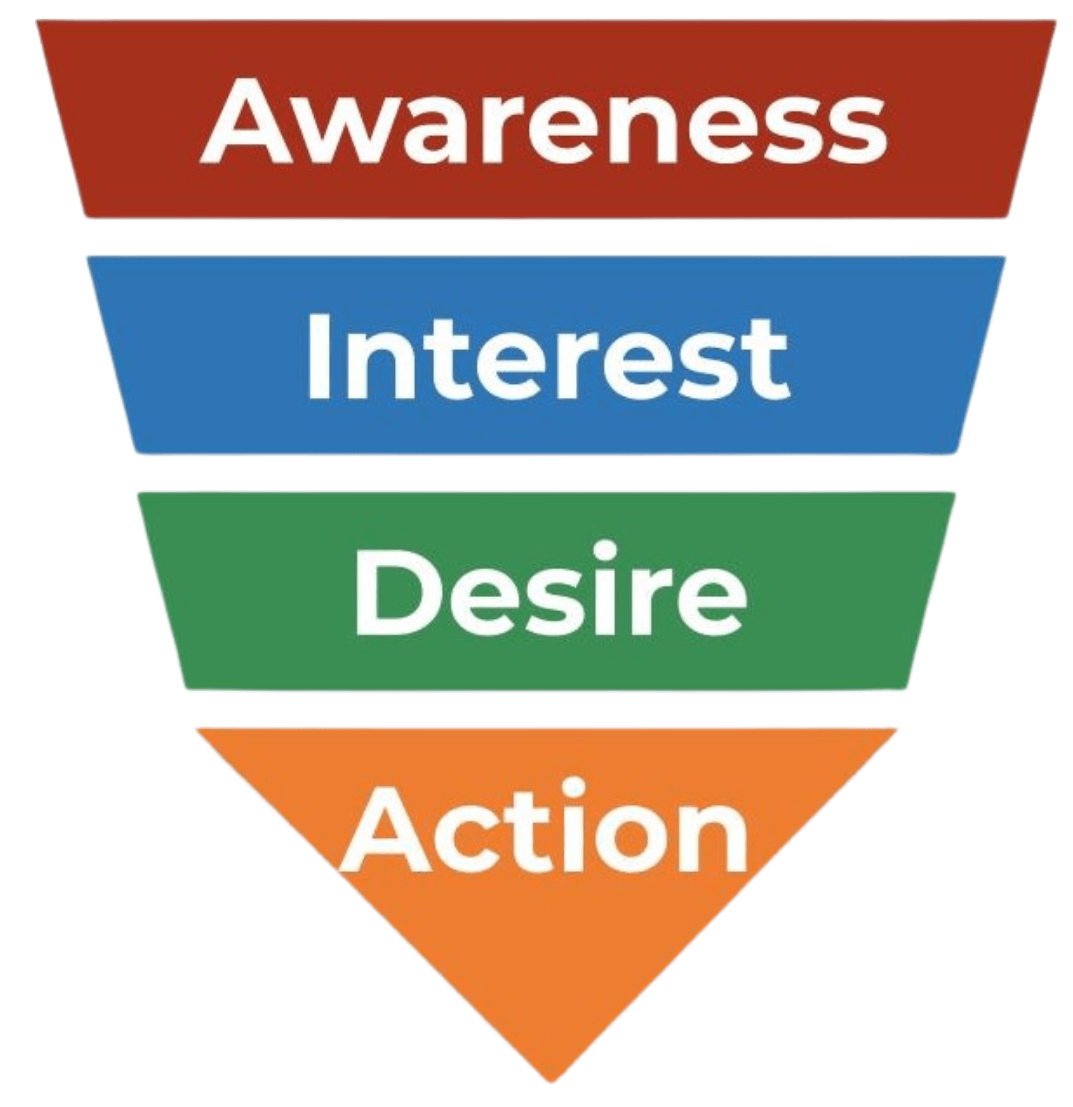
Stages of a Sales Funnel
A typical sales funnel has four stages: awareness, interest, desire, and action. Here is a brief overview of each stage:
Awareness: At this stage, your potential customers become aware of your course. They may have seen an advertisement or stumbled upon your website.
Interest: Once your potential customers are aware of your course, you need to capture their interest. This is where you provide more information about your course and its benefits.
Desire: At this stage, your potential customers are interested in your course and want to know more. You need to create a sense of desire by highlighting the benefits of your course and how it can help them.
Action: The final stage is where your potential customers take action and purchase your course. You need to make it easy for them to do so by providing clear instructions and a simple checkout process.
It is important to note that the sales funnel is not a linear process. Potential customers may move back and forth between stages before making a purchase.
As a course creator, it is your job to guide them through the sales funnel and provide the information and motivation they need to make a purchase.
Building a Sales Funnel for Online Courses
When it comes to selling online courses, having a sales funnel is crucial for converting potential students into paying customers.
In this section, we will cover the essential steps to building a sales funnel for your online course.
The first step in building a sales funnel is identifying your target audience.
Knowing who your potential students are and what they are looking for in a course will help you create a sales funnel that resonates with them.
You can use tools like Google Analytics and social media insights to gather data on your audience's demographics, interests, and behavior.

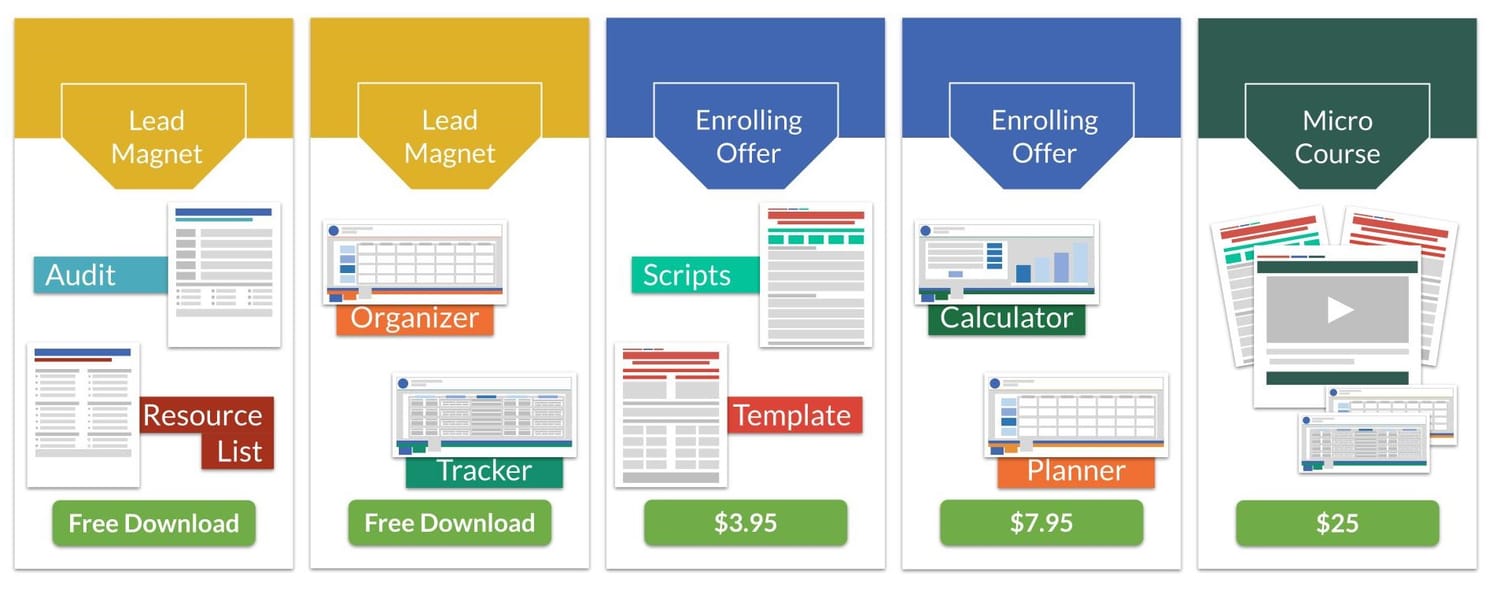
A value ladder is a series of products or services that offer increasing value and price.
Creating a value ladder for your online course can help you upsell and cross-sell to your existing students and attract new ones.
For example, you can offer a free webinar as a lead magnet, followed by a low-priced ebook, then a mid-priced course, and finally a high-priced coaching program.
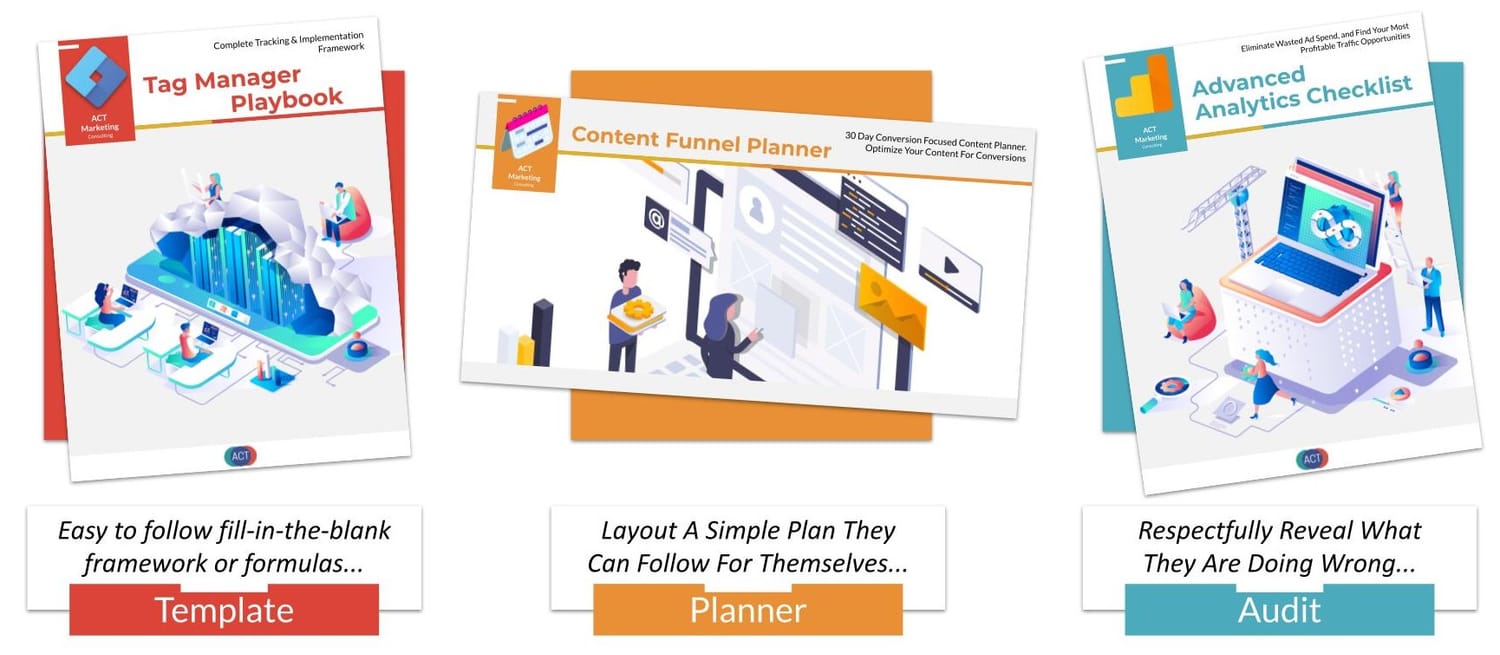
A lead magnet is a free offer that entices people to join your email list and learn more about your course.
It can be an ebook, a video series, or a mini-course that provides value to your potential students.
Make sure your lead magnet is aligned with your course's topic and provides a quick win for your audience.
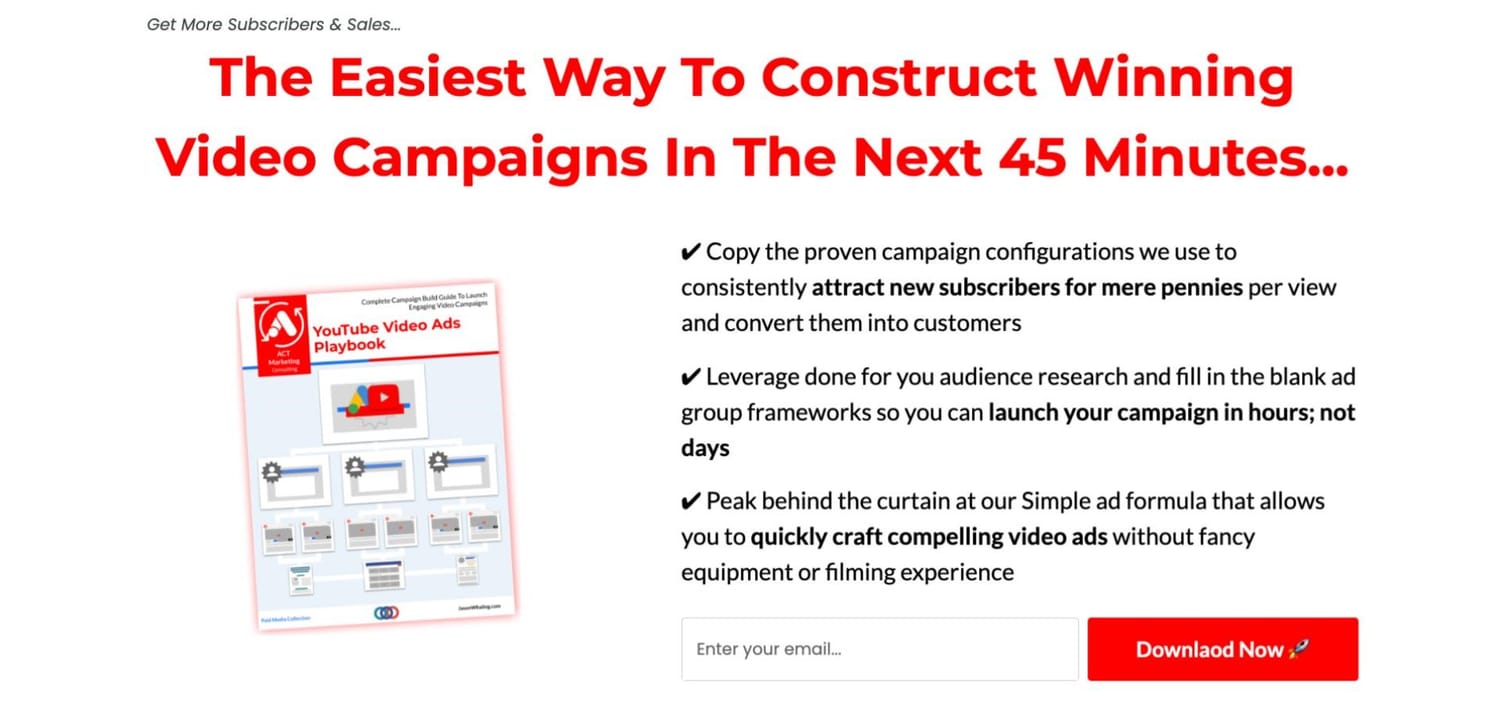
A landing page is a dedicated page that promotes your lead magnet and encourages people to sign up for your email list.
It should have a clear headline, a compelling call-to-action, and a form to collect email addresses.
You can use tools like Leadpages or Systeme.io to create professional-looking landing pages without any coding skills.
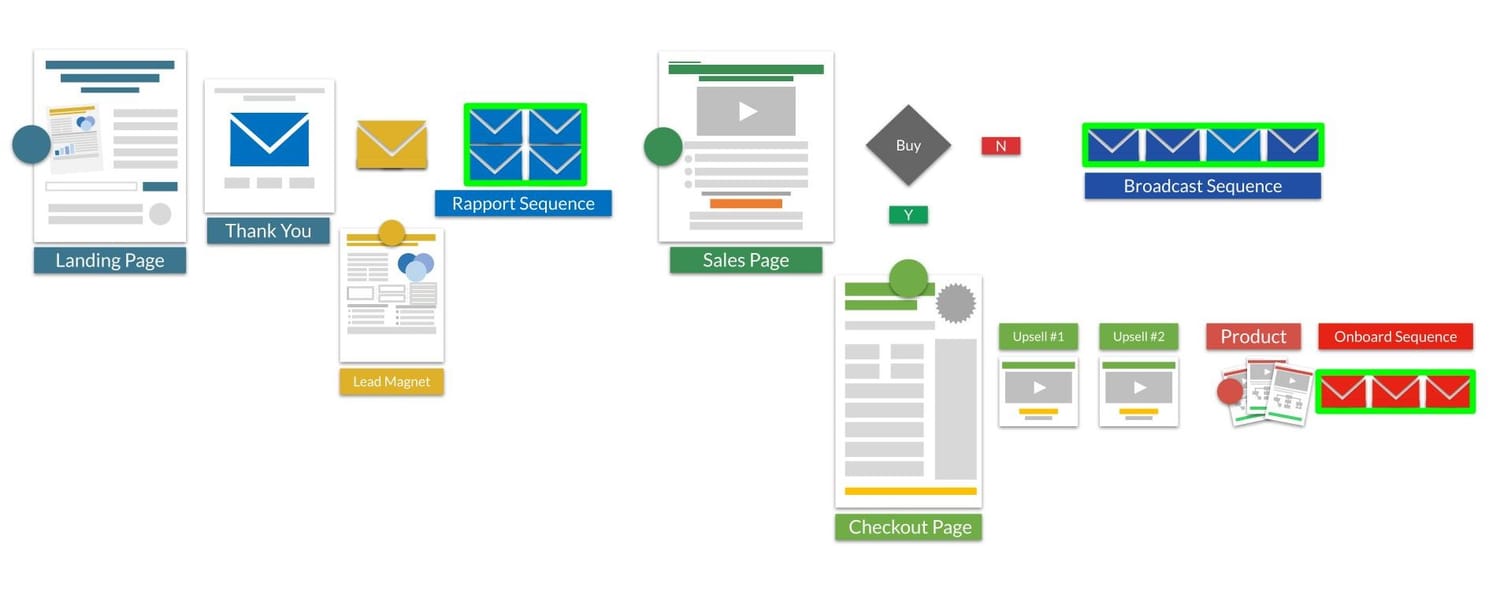
Email marketing is a powerful tool for nurturing your leads and converting them into paying customers.
You can use email sequences to educate your audience about your course, share success stories, and offer exclusive discounts.
Make sure your emails are personalized, valuable, and engaging.
Driving Traffic to Your Sales Funnel
Once you have set up your sales funnel for your online course, the next step is to drive traffic to it. This is where your marketing efforts come into play.
In this section, we will discuss two main strategies for driving traffic to your sales funnel: organic and paid.
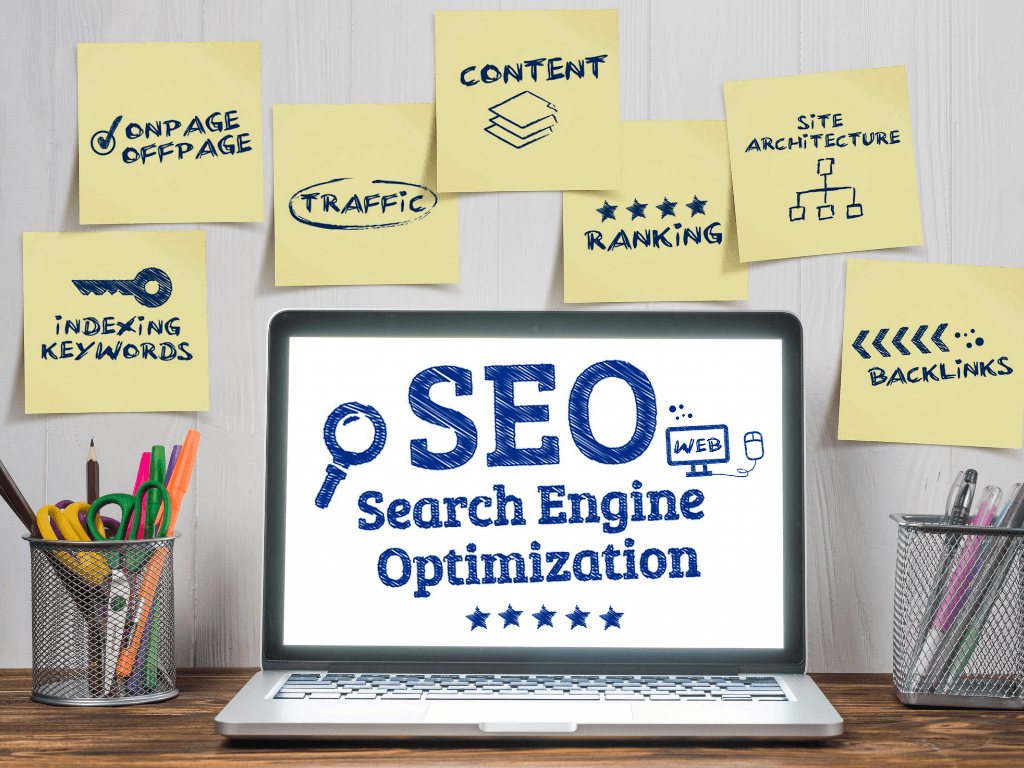
Organic traffic refers to the visitors who come to your website through non-paid search engine results.
Here are some effective organic traffic strategies you can use to drive traffic to your sales funnel:
Search Engine Optimization (SEO): Optimize your website and content for search engines to improve your rankings and visibility in search results.
Use relevant keywords in your content, meta descriptions, and URLs to improve your chances of being found by your target audience.
Content Marketing: Create valuable and informative content that addresses your target audience's pain points and interests.
Share your content on social media and other relevant platforms to attract visitors to your website.
Social Media Marketing: Build a strong presence on social media platforms like Facebook, LinkedIn, and Twitter to connect with your target audience and drive traffic to your website.
Paid traffic refers to the visitors who come to your website through paid advertising. Here are some effective paid traffic strategies you can use to drive traffic to your sales funnel:
Facebook Ads: Use Facebook's advertising platform to create targeted ads that reach your ideal audience.
You can choose from a variety of ad formats, including image ads, video ads, and carousel ads, to showcase your online course.
Google Ads: Use Google's advertising platform to create targeted ads that appear on Google search results pages and other relevant websites.
You can choose from a variety of ad formats, including text ads, display ads, and video ads, to promote your online course.
Retargeting Ads: Use retargeting ads to target visitors who have already visited your website but haven't yet made a purchase.
Retargeting ads can help you stay top of mind with your target audience and encourage them to take action.
By using a combination of organic and paid traffic strategies, you can drive more traffic to your sales funnel and increase your chances of converting visitors into paying customers.
Converting Leads into Customers
Before you can convert leads into customers, you need to nurture them.
This means building a relationship with them by providing valuable content, addressing their pain points, and answering their questions.
You can do this through various channels, such as email marketing, social media, webinars, and more.
One effective way to nurture leads is by creating a lead magnet, such as a free ebook, checklist, or webinar, that addresses a specific problem or need that your target audience has.
By offering something of value in exchange for their contact information, you can start building a relationship with them and moving them further down the sales funnel.
To convert leads into customers, you need to have an irresistible offer that addresses their needs and motivates them to take action.
Your offer should be clear, compelling, and differentiated from your competitors.
One way to create an irresistible offer is by using the "value stack" technique, where you bundle several high-value products or services together at a discounted price.
This not only increases the perceived value of your offer but also creates a sense of urgency for the customer to take advantage of it before the offer expires.
To maximize your conversion rates, you need to optimize every step of your sales funnel, from the landing page to the checkout process.
This involves testing different elements, such as headlines, images, copy, and calls-to-action, to see what works best for your target audience.
One effective way to optimize your conversion rates is by using A/B testing, where you create two versions of a page or element and test them against each other to see which one performs better.
This allows you to make data-driven decisions and continually improve your sales funnel over time.
By following these strategies, you can convert more leads into customers and grow your online course business.
Conclusion
By now, you should have a good understanding of how to create a successful sales funnel for your online course.
Remember that the key to success is to provide value to your potential customers at every stage of the funnel.
Using a sales funnel can help you increase your revenue and convert more leads into paying customers.
Guide your potential customers through a series of steps so you can build trust, establish credibility, and demonstrate the value of your course.
Click the link below to learn more about building effective sales funnels for growing your business!
SHARE


Subscribe now
Sign up for our newsletter to get the most interesting stories of the day straight to your inbox before everyone else
Privacy policy • Terms of service • | © 2025, ACT Marketing, LLC