
5 Types of Email Marketing Sequences That Boost Conversion
Email marketing leverages a series of emails, known as an email marketing sequence, to communicate with current and potential customers in a structured and purposeful manner.
These sequences are crafted to guide recipients through various stages of engagement, from education about products or services to encouraging repeat business.
When you establish a well-thought-out email sequence, you set the groundwork for automated, yet personalized communication that can increase conversions and help build lasting relationships with your audience.
To execute an effective email marketing sequence, you need to understand your audience's needs and interests.
This involves segmenting your email list to provide relevant content that resonates with different groups within your market.
Each email in the sequence should serve a targeted purpose, whether it's welcoming new subscribers, nurturing leads, providing valuable information, or promoting a new product launch.
Remember, the intent behind each message is to move the recipient closer to a specific goal, often culminating in a sale or other desired action.
The key to a successful email marketing sequence is not only delivering the right message at the right time but also maintaining a balance between providing value and making offers.
You want to foster trust and demonstrate expertise without overwhelming your subscribers with constant sales pitches.
By crafting your sequence to gently guide recipients through the buyer's journey, your email marketing efforts can yield significant returns on investment, cultivate customer loyalty, and position your brand as a leader in your field.
Types of Email Sequences
Email can aid in guiding potential customers through every step of the sales funnel, all the way from awareness to conversion.
Coupled with analytics, it becomes a powerful tool to gauge the interests and behaviors of your audience, allowing for finely tuned targeting.
As soon as a new subscriber joins your list, a Welcome Email Sequence should kick off.
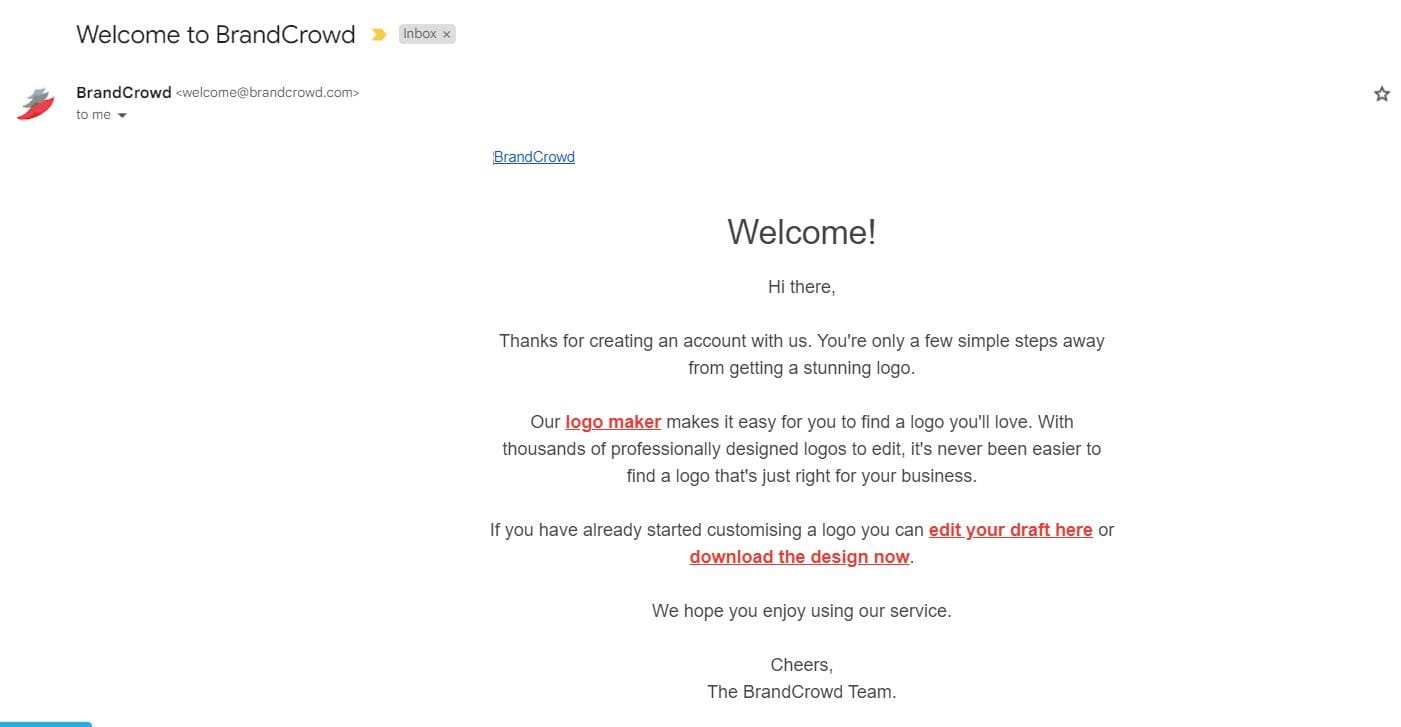
This sequence sets the tone and can include:
A welcome email that confirms their subscription and expresses gratitude.
Key information about what they can expect as a subscriber.
Implementing this sequence ensures subscribers feel valued and informs them about the benefits of staying connected.
Once new subscribers are welcomed, an Onboarding Email Sequence further educates them about your products or services.

To ensure a smooth introduction:
Structure a series of emails that guide users through your offerings.
Highlight features or steps they should take to get the most value from your brand.
This sequence aims to heighten subscribers' understanding and engagement with your service.
The Lead Nurturing Email Sequence plays a critical role in converting interested subscribers into customers.
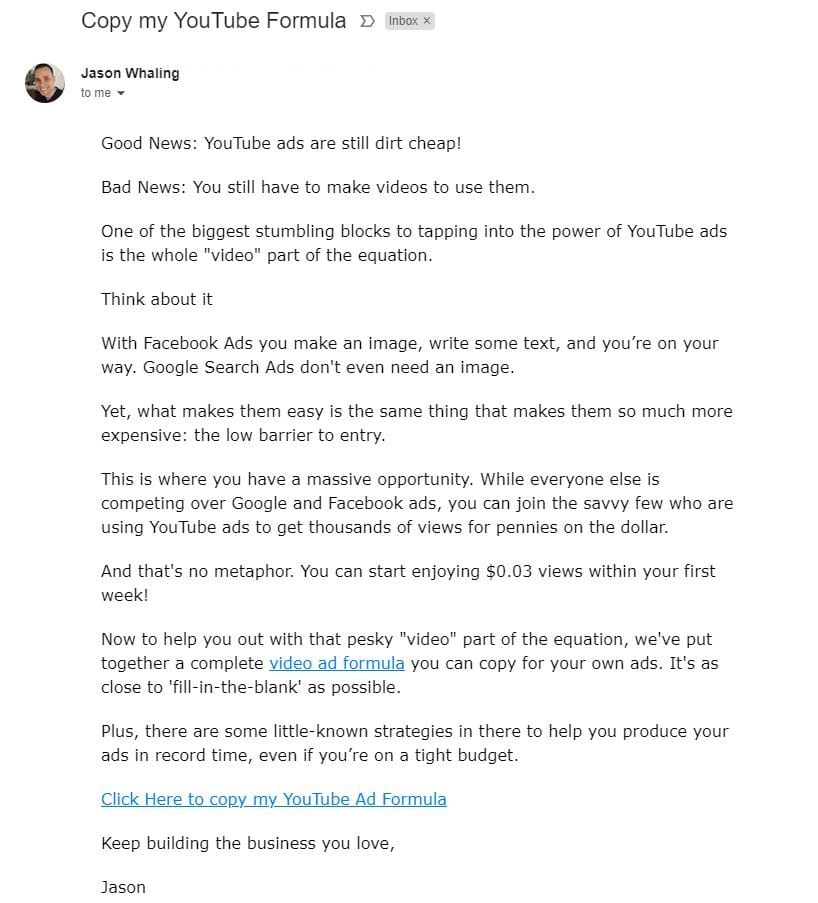
To craft an effective series:
Share relevant content that addresses subscriber needs and interests.
Spotlight testimonials, case studies, and user-generated content to build trust.
This sequence should subtly encourage subscribers to progress down the sales funnel.
Subscribers may sometimes become inactive; that’s where the Re-Engagement Email Sequence comes in. To reinvigorate their interest:
Send emails that inquire about their absence or offer help.
Include special offers or updates to remind them of the value you provide.
This sequence aims to reconnect and reignite the subscribers' interest in your brand.
Finally, the Abandoned Cart Email Sequence targets subscribers who left items in their cart. To drive them towards purchase:
Gently remind them of what they’ve left behind with a clear call to action.
Offer time-sensitive discounts or free shipping to incentivize completion of the purchase.
This sequence is an essential tool for converting potential sales into actual revenue.
Creating an Email Marketing Calendar
Planning is crucial to ensure that your email marketing sequence exploits every opportunity to engage your audience.
By establishing a calendar, you can map out a series of emails, maintain consistent timing and frequency, and capitalize on event-driven sequences to maximize impact.
For a successful email sequence, you should establish a consistent schedule.
Consider your audience's daily routines and when they are most likely to check their emails.
A table may assist in visualizing the frequency and optimal send times for your series of emails.
Day of Week
Time of Day
Email Content
Monday
10 AM
Weekly Newsletter
Wednesday
1 PM
Mid-Week Check-In
Friday
5 PM
Weekend Preview Sale
Aim for a balance between regular contact and over-sending, which can lead to unsubscribes.
Most sequences work well when emails are spaced out every 3-5 days, allowing for anticipation without overwhelming your subscribers.
Improving Engagement and Conversions
Engaging your audience effectively can lead to higher conversion rates. By personalizing your emails, optimizing calls-to-action, and analyzing engagement metrics, you can craft an email marketing sequence that resonates with your target audience.
Personalization is key to increasing engagement in your email campaigns. Use dynamic content to tailor messages to individual subscriber behaviors and preferences. For example:
Segmentation: Group your audience based on demographics, purchase history, or engagement levels.
Merge Tags: Address recipients by name or include other personal details in your email content.
Your CTAs should be clear and compelling. Here's how to ensure they stand out and drive conversions:
Visibility: Use contrasting colors for your CTA buttons to make them pop.
Urgency: Phrases like "Limited time offer" can spur immediate action.
Clarity: Keep your CTA text concise, telling subscribers exactly what to expect.
Track the right metrics to understand how your audience interacts with your emails. Focus on:
Open Rate: Reflects the percentage of recipients who open your email.
Click-Through Rate (CTR): Measures how frequently recipients click on links within your email.
Conversion Rate: Indicates the percentage of recipients who completed the desired action after clicking a link.
Reviewing these metrics helps you adjust your strategy for better performance with your target audience.
Conclusion
An effective email marketing sequence is crucial for nurturing leads and retaining customers.
These sequences allow you to automate parts of your customer engagement, offering consistent, relevant content tailored to your audience’s needs and interests.
By keeping track of interactions, preferences, and behavior, you can refine your approach and enhance the overall customer experience.
When designing your sequence, ensure each email has a clear purpose and a call to action.
Your leads should understand what you expect from them and how they can benefit from your offer.
Remember, your email marketing sequence should evolve with your business and customer base.
Keep your communication relevant, engaging, and valuable, and you'll set the stage for a fruitful long-term customer relationship.
Click the link below to learn more about Email Marketing so you can start growing your business.
SHARE


Subscribe now
Sign up for our newsletter to get the most interesting stories of the day straight to your inbox before everyone else
Privacy policy • Terms of service • | © 2025, ACT Marketing, LLC