
Tips on Designing Email Campaigns That Convert
Email campaign design is an essential aspect of digital marketing that enables you to connect with your audience in a personalized way.
Crafting a compelling email campaign involves a combination of visual elements, content structure, and strategic messaging to engage subscribers and encourage them to take action.
Your design choices, from the layout to the color palette, have a significant impact on how your message is perceived and can drastically affect the success of your campaign.
Understanding the principles of effective email design is critical for getting your message across.
A well-structured email should be responsive, ensuring that it displays correctly on a variety of devices and email clients.
This means that your audience can read your emails easily whether they’re on a desktop, tablet, or smartphone.
Paying attention to the hierarchy of information, clear calls to action, and ensuring your content is accessible and easy to navigate is also vital for maintaining the reader's attention and guiding them toward your desired outcome.
By tailoring your emails to the interests and behaviors of your subscribers, you can increase relevance and foster a stronger connection.
A successful email campaign is not just about looking good; it's about resonating with your recipients and achieving your marketing objectives.
How to design an email campaign?
Effective email campaign design is pivotal in engaging your audience.
It encompasses creating resonated content, selecting subject lines that captivate, personalizing for impact, and using templates that align with your brand.
Before you start designing your email, it's important to know who you're talking to. Understanding your audience can help you tailor your message to meet their needs and interests.
What do you want to achieve with your email campaign? Having clear goals will guide your campaign strategy.
Goals may include increasing website traffic, driving sales, augmenting brand awareness, or gathering customer feedback.
Use SMART criteria—Specific, Measurable, Achievable, Relevant, Time-bound— to set actionable objectives.
This ensures your campaign is focused and provides a metric by which to gauge success.
Different types of email campaigns serve different purposes.
For example, newsletters are great for keeping your audience informed about your brand, while promotional emails can drive immediate action.
Your email should be easy to read and visually appealing. Use headings, bullet points, and images to break up the text and make your content digestible.
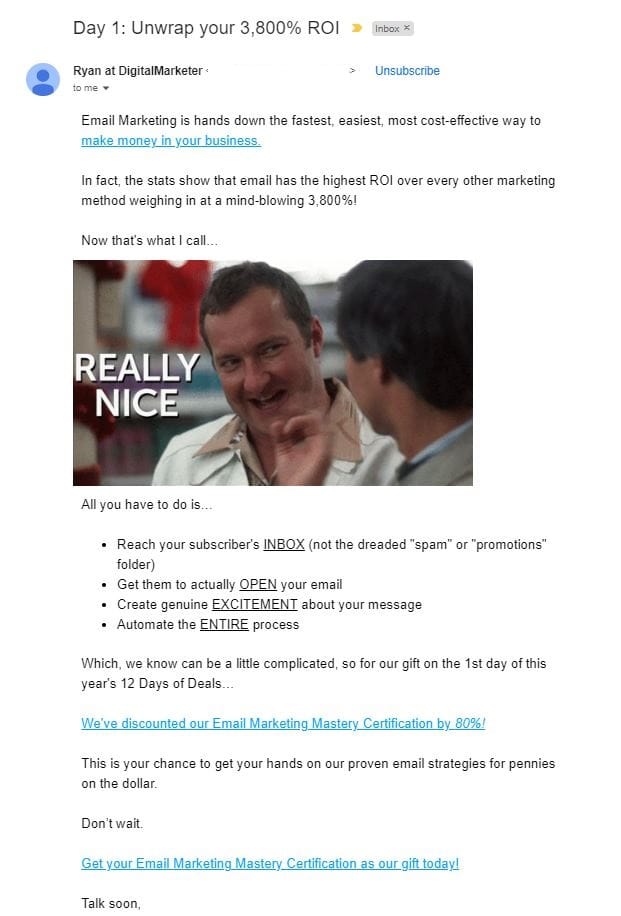
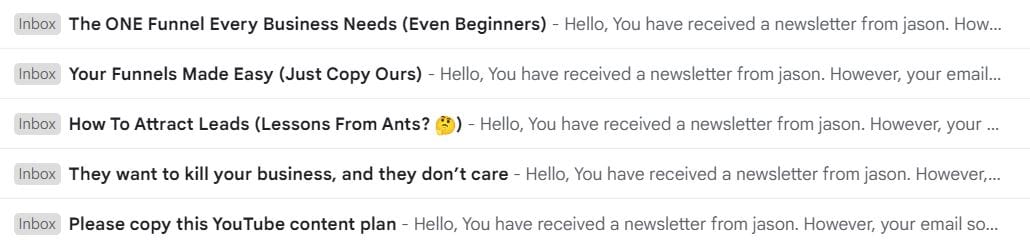
Your subject line and preheader text are the first things your recipients see.
Make them catchy and descriptive to entice your audience to open the email.
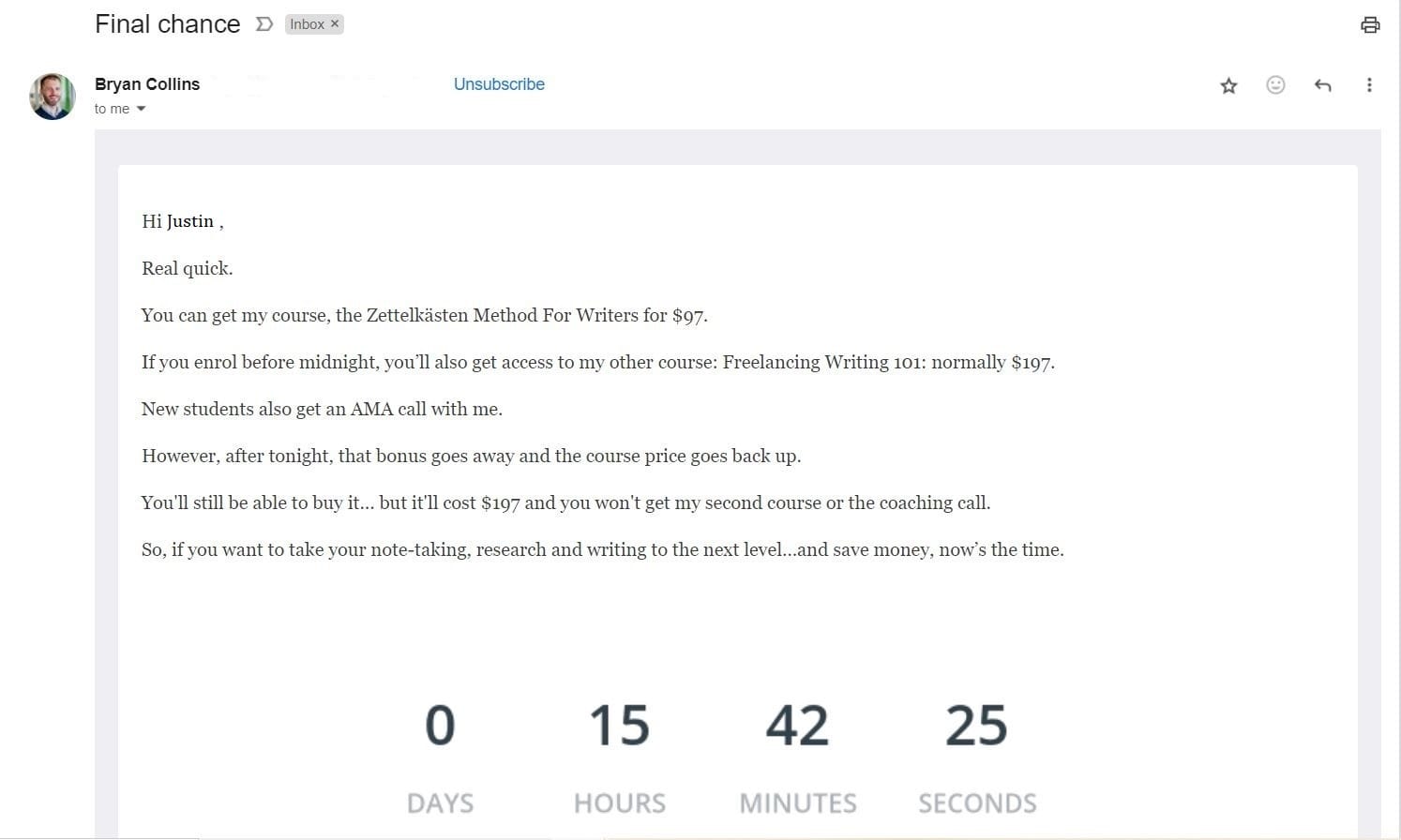
People are more likely to open emails from senders they recognize. Using a familiar sender name can increase your email open rates.
Personalization can significantly influence the recipient's decision to engage with your email.
Use your recipient's name and other relevant data to make the email feel tailor-made.
A simple greeting with the recipient’s name can increase the efficacy of your email.
Remember, the success of your email campaign doesn't just depend on the design.
It also depends on how well you optimize each part of your email to drive conversions.
Regularly testing and analyzing your email performance can help you make necessary adjustments for better results.
Maximizing Engagement and Conversions
To boost your email campaign's performance, focus on crafting compelling calls to action, integrating images and links strategically, and employing precise segmentation and targeting.
These practices are pivotal in transforming readers into leads and enhancing conversion rates.
Calls to action (CTAs) are the critical elements that prompt your subscribers to take the next step.
Utilize action-oriented language that conveys urgency and benefits, like "Get Started Today" or "Save 30% Now."
To increase click-through rates, make your CTAs highly visible with contrasting button colors and place them where they naturally draw the reader's eye, such as above the fold and within the email's visual flow.
Example of a strong CTA: [Get Access Now] - Notice the compelling verb "Get," which suggests immediate benefit.
Images can grab attention and convey your message quickly, but they should complement, not overwhelm, your message.
A balanced ratio of text to imagery ensures your emails are accessible and engaging.
Every image should have a purpose, like illustrating a product or highlighting a promotion.
Optimize images for quick loading and ensure they are linked, as readers often click on images expecting to be taken to a relevant page.
Links within your text should be clear and informative, letting your audience know what to expect when they click.
Descriptive link text improves accessibility and SEO while providing context. Use phrases like "Browse our collection here" instead of generic "click here" language.
Segmentation involves dividing your audience into groups based on criteria such as demographic information, past purchases, or engagement level.
This allows for targeted campaigns that resonate more deeply with the interests and needs of each group, leading to improved conversions.
By leveraging precise targeting techniques, you ensure your messages are relevant and attractive to those most likely to convert, turning your subscribers into valuable leads.
Conclusion
Designing a high-performing email campaign is crucial for any business looking to engage with its audience and convert leads into loyal customers.
It's important to remember that creating an email campaign is not a one-time task, but rather an ongoing process that requires continual refinement and adaptation.
With the ever-changing digital landscape, staying up-to-date with the latest trends and techniques in email marketing is essential.
Click the link below to learn more about Email Marketing so you can start growing your business.
SHARE


Subscribe now
Sign up for our newsletter to get the most interesting stories of the day straight to your inbox before everyone else
Privacy policy • Terms of service • | © 2025, ACT Marketing, LLC